
Leave Your Message
-
Contact Phone
-
 Contact Email
When it comes to medical supplies and industrial work, you’ll often hear about Nitrile Finger Cots. These little finger covers—they’re pretty small—are made from nitrile rubber, which is known for being tough yet flexible. Companies like XYZ Medical Supply have really realized how important they are for keeping things hygienic and safe during all kinds of tasks.
What’s cool about nitrile finger cots? Well, they give you protection without sacrificing dexterity, so you can still do pretty detailed work. That’s why you see them everywhere—labs, electronics assembly lines, even in healthcare settings. Thanks to the unique qualities of nitrile, these cots resist chemicals and don’t easily get punctured, so they’re perfect for handling delicate stuff.
Of course, it’s not just about having them—you gotta use them right. If you don’t, there’s a chance you could cause contamination or even safety hazards. Knowing how to apply them properly is super important, especially in high-stakes environments like surgeries or sensitive manufacturing lines. Basically, nitrile finger cots should be part of a solid safety plan—making sure every task is done carefully, with attention to detail.
They’re not just an accessory; they’re a key piece in keeping everything safe and clean. So, if you’re working in any setting where hygiene and precision matter, these little guys are worth having around. Just remember, proper use makes all the difference.

Nitrile finger cots are specialized protective gear made from synthetic rubber. These finger cots are designed to cover fingers while allowing for dexterity. Their flexibility makes them suitable for tasks requiring precision. In industries like electronics and pharmaceuticals, they play a crucial role in maintaining hygiene and preventing contamination. According to recent industry reports, the global demand for nitrile products surged by approximately 8% annually over the past five years.
Nitrile finger cots are commonly used in cleanroom environments. They prevent oils, dirt, and moisture from fingers contaminating sensitive components. This is vital in manufacturing processes where even minor pollutants can cause significant damage. Additionally, nitrile is known for its tear resistance and chemical compatibility. Many professionals prefer nitrile due to its superior performance compared to latex options. However, care should be taken when selecting the right size to ensure optimal performance.
Despite their advantages, nitrile finger cots come with limitations. Users may find it challenging to maintain tactile sensitivity for intricate tasks. This can impact overall efficiency in critical applications. Some reports suggest that improper use or substandard quality can lead to failures in protection. Ensuring that finger cots meet industry standards is essential for achieving intended outcomes.
Nitrile finger cots are essential in various industries. They are made from synthetic rubber, known for its durability and chemical resistance. This material outperforms latex, particularly for individuals with allergies. The demand for nitrile products has surged by nearly 30% in recent years, indicating a shift towards safer alternatives.
The composition of nitrile finger cots greatly impacts their effectiveness. Nitrile is a copolymer of acrylonitrile and butadiene, providing flexibility and resilience. Industry reports highlight that this combination offers excellent puncture resistance. Furthermore, nitrile finger cots are often preferred in medical settings, such as with Medical Finger Gloves, due to their higher barrier protection against contaminants.
In addition to medical applications, nitrile finger cots are utilized in chemical handling and electronics. The ability to withstand various solvents is crucial in these fields. However, it's worth noting that while these cots are highly reliable, issues like proper fit and user comfort are sometimes overlooked. Ensuring the right size and thickness can significantly enhance performance and safety. This ongoing challenge in user experience emphasizes the need for continuous improvement in product design.
Wholesale OEM nitrile finger cots are widely used in various industries. These small protective accessories offer numerous benefits. They provide a barrier against contaminants, ensuring that hands stay clean while working. Nitrile is a durable material, resistant to punctures and tears. This makes it ideal for tasks that require precision and safety.
Using wholesale OEM nitrile finger cots can enhance productivity. Workers can comfortably handle delicate instruments or materials without the worry of leaving fingerprints or contaminating surfaces. They are particularly useful in medical settings. Finger Gloves Medical help maintain hygiene standards while allowing for dexterity. However, they may not fit every individual perfectly, which can lead to discomfort during extended use.
Some users report that finger cots can feel tight. This can impact hand circulation for those who wear them for long periods. It’s important to find the right size and type to ensure comfort. Regularly reassessing fit and material can help improve the user experience. Overall, while these finger cots offer significant advantages, attention to detail in their selection is essential for optimal use.
| Feature | Description | Benefits |
|---|---|---|
| Material | Nitrile Rubber | Durable and resistant to chemicals |
| Thickness | 0.08 mm | Provides excellent sensitivity and flexibility |
| Size Options | Small, Medium, Large | Fits various hand sizes for improved usability |
| Application Areas | Medical, Electronics, Food Handling | Versatile use across different industries |
| Packaging | Bulk or Individual | Convenience based on user needs |
| Cost-Effectiveness | Wholesale pricing | Reduces per-unit cost for bulk purchases |
Nitrile finger cots have gained popularity for various applications, especially in environments requiring precision and cleanliness. The pharmaceutical industry uses these finger cots extensively. They offer a simple barrier against chemicals and contaminants. Data shows that 70% of lab professionals prefer nitrile products for tasks requiring fine motor skills.
In electronics, nitrile finger cots prevent oils and moisture from affecting sensitive components. Use in this sector has risen by about 15% over the last few years. The healthcare industry also benefits significantly. These finger cots are great for tasks like handling sterile instruments or medications.
Tip: Always ensure that Nitrile Glove materials are high-quality. This improves durability and protection. Regular checks for holes or tears can prevent costly mistakes in sensitive environments. Quality matters.
While the versatility of nitrile finger cots is impressive, not all cots are created equal. Some may lack the desired stretch or fit. Testing different brands can help identify the best options. Choosing the right nitrile product can enhance safety and performance in demanding tasks.
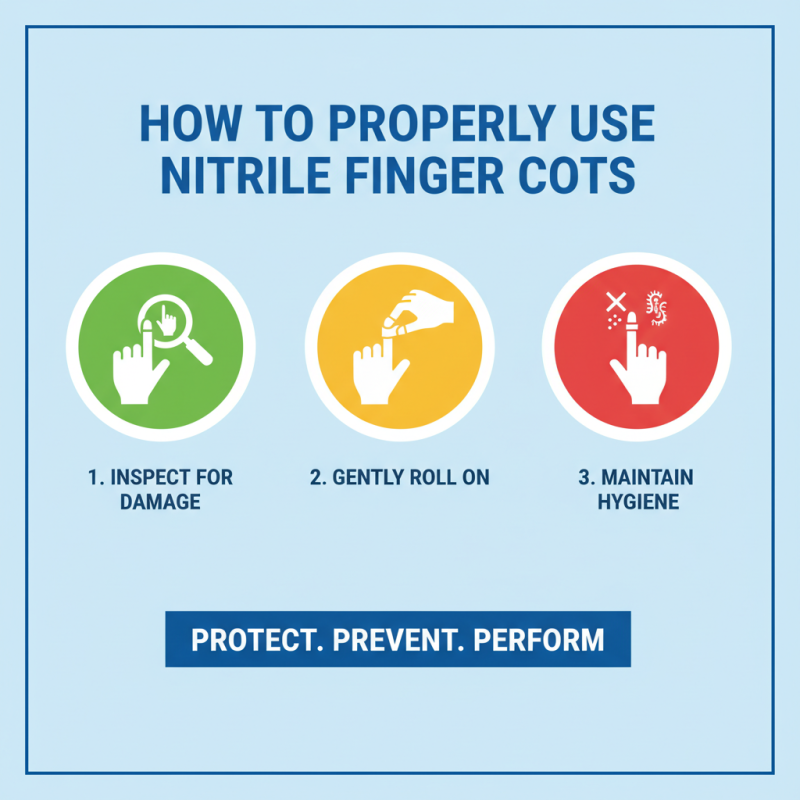
Nitrile finger cots are essential for various tasks. They act as protective covers for fingers, especially in delicate environments where hygiene is crucial. Proper usage ensures effectiveness. Before using, inspect the cots for any visible damage. A damaged cot can compromise protection.
To use nitrile finger cots correctly, first clean your hands thoroughly. Dry them completely to ensure a snug fit. Roll the cot onto your fingertip gently, ensuring it covers the finger entirely. Avoid stretching it excessively, as this can lead to tears. For tasks that demand precision, like handling small objects or electronics, Gloves Nitrile are a solid choice.
After using the finger cots, dispose of them responsibly. Some users overlook this important step. Remember, the effectiveness of the protective barrier relies on proper handling and disposal. Reflecting on your practices can improve safety and efficiency in your tasks.
When selecting nitrile finger cots, you must consider several factors to ensure they meet your needs. The first critical aspect is size. Finger cots come in various sizes for a better fit. Ill-fitting cots can lead to discomfort and reduced dexterity. Take accurate measurements of your fingers before making a purchase.
The thickness of the nitrile material is another vital consideration. Thicker cots may offer more protection but can limit tactile sensitivity. Conversely, thinner cots provide better dexterity but may not be as durable. Think about your specific tasks. If you handle delicate items, you might prefer thinner options. However, if you require robust protection, opt for thicker cots.
Lastly, pay attention to the texture of the finger cots. They may come in smooth or textured finishes, affecting grip and control. Textured cots can improve handling, especially with slippery materials. Sometimes, a random choice can lead to unexpected results. Don't be afraid to try different types and see what works best for you. Analyze your preferences and adjust based on your experiences.
When sourcing wholesale OEM nitrile finger cots, understanding the specifics is key. These finger cots are used primarily in clean rooms and laboratories. They provide protection for delicate tasks, ensuring contaminants do not affect sensitive materials. The materials used should be high-quality nitrile, known for its durability and chemical resistance.
Research reliable suppliers with a solid track record in the industry. Request samples to evaluate the quality before making a large order. Consider the thickness and size variations available; not all cots will fit well. Pay attention to the packaging options too. There might be a need for bulk buying, but bulky packaging can lead to logistical challenges.
Pricing is also a critical factor. Investigate different suppliers to compare quotes, but don’t compromise on quality. A lower price may not guarantee the same level of protection. Establishing a good relationship with suppliers is beneficial. Open communication can lead to better service and prompt responses. Each sourcing experience teaches valuable lessons about what to prioritize and what to avoid.
Food safety is of paramount importance in the culinary world, and the use of disposable nitrile gloves plays a critical role in ensuring hygiene in food preparation. These gloves are specifically designed for food contact, providing a barrier that protects both the food and the individual handling it. Manufactured under strict food safety standards, high-quality disposable nitrile gloves are non-toxic, odorless, and effectively prevent harmful substances from migrating to food. This reliability is crucial for maintaining a safe kitchen environment, whether for home cooking or in professional food services.
Moreover, the growing trend towards health-conscious cooking has amplified the need for protective gear like food-grade nitrile gloves. As more consumers prioritize a healthy lifestyle, using gloves can help minimize the risk of contamination during food handling. Their durable construction allows for dexterous handling while providing peace of mind. With an emphasis on safety and cleanliness, these gloves are becoming an indispensable tool in kitchens everywhere, making them essential for anyone committed to food safety and quality.
: Nitrile finger cots are made from synthetic rubber, offering durability and chemical resistance.
Nitrile cots are preferred due to fewer allergy risks and superior performance in various applications.
They are mainly used in cleanrooms, laboratories, and medical settings to prevent contamination.
They may reduce tactile sensitivity, affecting efficiency in intricate tasks. Proper fit is crucial.
Consider size, thickness, and material quality. A proper fit enhances performance and safety.
Research suppliers, request samples, and compare prices. Quality should never be compromised.
They provide higher barrier protection against contaminants, crucial in medical environments.
Bulk packaging can lead to logistic issues. Evaluate packaging options that suit your needs.
Establishing good relationships with suppliers can improve service and response times.
Each sourcing experience provides insights on quality, pricing, and what aspects to prioritize.
Nitrile finger cots are protective coverings made from synthetic nitrile rubber, specifically designed to fit over individual fingers. They offer a barrier against contamination and are favored for their durability and resistance to chemicals. The key materials used in their production contribute to their strong, flexible nature, making them suitable for various applications including electronics, food processing, and laboratory work.
Wholesale OEM nitrile finger cots provide the added benefit of bulk procurement, allowing businesses to reduce costs while ensuring a steady supply. When selecting nitrile finger cots, it's crucial to consider factors such as size, thickness, and intended use. Proper usage involves ensuring a snug fit to maximize protection. For those in industries requiring meticulous attention to hygiene and safety, nitrile finger cots are an invaluable resource that combines functionality with convenience.